
 By IB Electric
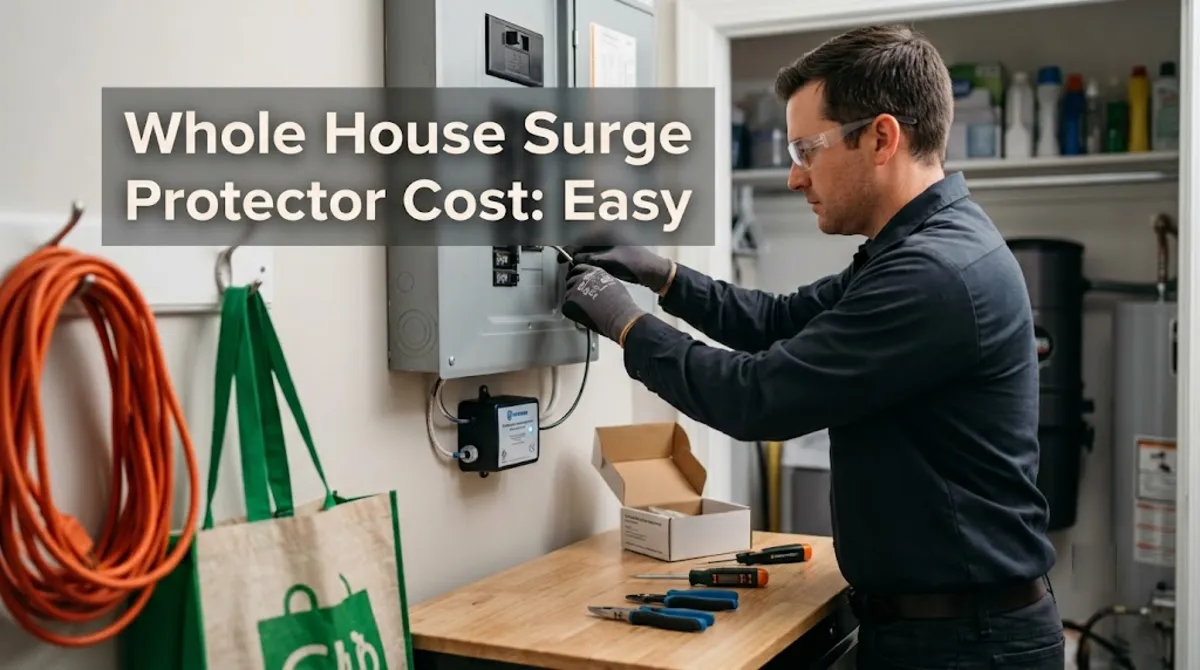
- Whole house surge protector cost runs $300–$700 installed for most homes, with the device itself $50–$300 and professional installation $100–$300.
- Most homes use a Type 2 surge protector mounted at the main panel; a Type 1 installs at the service entrance for extra protection against external surges.
- Homeowners insurance usually won’t cover surge damage — so a few hundred dollars of protection guards thousands in electronics and appliances.
- A surge protector is not a battery backup — it stops voltage spikes but doesn’t keep the power on during an outage.
- An old, full, or hazardous panel may need work before a surge protector can be added, which adds to the cost.
Whole house surge protector cost in Michigan typically runs $300 to $700 installed, with most homes landing in the $400 to $650 range for a professionally installed unit. It’s one of the most affordable pieces of electrical protection you can add — and given that a single surge can destroy thousands of dollars in electronics and appliances your insurance likely won’t cover, it’s also one of the best-value. Here’s the honest breakdown of what it costs, what drives the price, and whether it’s worth it for your home.

IB Electric installs whole-house surge protection across Wayne, Oakland, and Macomb counties, and our founder has held a Michigan master electrician license since 1997. With Metro Detroit’s storm-prone, aging grid, surges are a real and underappreciated risk here. Let’s make the cost and the value transparent.
What Is the Whole House Surge Protector Cost?
For a professionally installed unit, whole house surge protector cost generally runs $300 to $700, with most single-family homes landing between $400 and $650. That total combines the device and the labor to install it at your panel. The table breaks it down.
| Component | Typical cost |
|---|---|
| Surge protector device (Type 2) | $50 – $300 |
| Premium / high-capacity device | up to $400 |
| Professional installation (labor) | $100 – $300 |
| Typical total, installed | $300 – $700 |
A standard installation takes one to two hours for a licensed electrician at an accessible panel. The main things that move the price are the device tier you choose and the condition of your electrical panel — more on that below.
The Types of Surge Protector, and What Each Costs
Not all surge protection is the same. Understanding the three types clarifies what you’re buying and why prices vary.
| Type | Where it installs | What it protects | Device cost |
|---|---|---|---|
| Type 1 | Service entrance (line side) | External surges (utility, lightning) | $50 – $250 |
| Type 2 | Main panel (most common) | Internal + some external surges | $50 – $250 |
| Type 3 | Plug-in at the outlet | Individual devices only | $10 – $60 |
For whole-home protection, a Type 2 device mounted at your main panel is the standard and most common choice — it’s what most people mean by a “whole house surge protector.” A Type 1 installs at the service entrance for stronger protection against external surges like lightning and utility events, and some homes use both. Type 3 units are the plug-in strips you already know; they protect only what’s plugged into them. The best approach is layered: a Type 1 or Type 2 at the panel for whole-home coverage, plus Type 3 strips for your most sensitive electronics.
Pro tip: When comparing quotes, don’t just compare the total — check the device’s specs. A lower Voltage Protection Rating (VPR) means better protection, and a higher joule or amp rating means the unit can absorb more and last longer. A slightly pricier device with a strong connected-equipment warranty is often the better buy, especially if you run an EV charger, solar, or high-end HVAC.
What Drives Your Final Price
Within that $300 to $700 range, a few factors decide where your home lands:
- The device tier. A basic Type 2 unit costs less than a premium high-capacity one with a strong warranty. Homes with solar, an EV charger, or high-end HVAC often warrant the better device.
- Type 1 plus Type 2. Adding a service-entrance Type 1 alongside a panel Type 2 raises the cost but adds a layer against external surges.
- Panel condition and access. A modern panel with an open slot is a quick install. A full panel needs room made; a very old or hazardous one may need work first.
- Service call or trip fee. Many electricians include a service fee of $100 to $200, which is why bundling this with other work saves money.
- Permits. Requirements vary by municipality; where a permit applies, it adds modestly.
The Hidden Cost: Your Panel
Here’s the one thing that can turn a simple surge-protector job into a bigger project. A surge protector installs at your electrical panel, so the panel has to be in good, safe condition to accept it. If your panel is full with no open slots, an older model, or — importantly — a known-hazard brand like Federal Pacific or Zinsco, it often needs work or replacement before a surge protector can be safely added. That’s not an upsell; it’s a safety and code reality. The upside is that if you’re already facing a panel upgrade, adding surge protection at the same time costs very little extra. Our guides to the cost to replace an electrical panel and Federal Pacific panel replacement cover that side, and the signs your electrical panel needs an upgrade help you tell if yours is due.
Want surge protection quoted honestly, panel and all?
We check your panel, recommend the right device for your home, and give you a clear price — with any panel work quoted separately, not buried. Book an assessment with IB Electric.
Is a Whole House Surge Protector Worth It?
For most homes, clearly yes — and the math is simple. Modern homes are full of expensive, surge-sensitive electronics: TVs, computers, smart-home gear, appliance control boards, HVAC systems, and increasingly EV chargers and solar equipment. A single surge, lasting less than a millisecond, can send thousands of volts through your wiring and destroy any of it at once. And here’s the part that surprises people: most homeowners insurance policies don’t cover surge damage, so that loss comes out of your pocket. Against that, a few hundred dollars of whole-home protection is inexpensive insurance you actually control. It’s especially worth it in an area like Metro Detroit, where a storm-prone, aging grid produces utility switching surges and storm-driven spikes, not just the occasional lightning strike.
A Surge Protector Is Not a Battery Backup
One common point of confusion is worth clearing up, because it affects what you actually need. A surge protector and a backup power system do two completely different jobs. A surge protector absorbs voltage spikes to protect your equipment from damage — but it does nothing when the power goes out. A generator or battery backup keeps your home powered during an outage — but doesn’t specifically clamp surges. They’re complementary layers, and many homeowners want both: surge protection for everyday spikes, and backup power for Michigan’s frequent outages. If backup power is also on your mind, our guide on Michigan power outages and backup power covers that side. For the strongest protection, the two work together.
Why Professional Installation Matters
A whole-house surge protector connects directly to your main panel, working with live service equipment, which is why it’s a licensed-electrician job rather than a DIY one — and in many places, DIY installation on the line side is both unsafe and not permitted. Professional installation also keeps the manufacturer’s warranty valid, including any connected-equipment coverage the device offers, which a DIY install typically voids. An electrician confirms the right device for your panel, installs it safely and to code, and verifies your panel can support it. You can review electrical safety guidance from the Electrical Safety Foundation International, and since related work is permitted in Michigan, the state’s process is on the LARA permit page.
Frequently Asked Questions
How much does a whole house surge protector cost?
Whole house surge protector cost runs $300 to $700 installed for most homes, with the device itself $50 to $300 and professional installation $100 to $300. Most single-family homes land between $400 and $650. Premium devices and any needed panel work add to the total.
Is a whole house surge protector worth it?
For most homes, yes. A single surge can destroy thousands of dollars in electronics and appliances, and most homeowners insurance won’t cover surge damage. A few hundred dollars of whole-home protection is inexpensive against that risk, especially in a storm-prone area like Metro Detroit with an aging grid.
What type of surge protector do I need?
Most homes use a Type 2 surge protector installed at the main panel, which is the standard whole-home choice. A Type 1 at the service entrance adds protection against external surges, and some homes use both. Type 3 plug-in strips protect only individual devices. A layered approach is best.
Does insurance cover power surge damage?
Usually not. Most standard homeowners insurance policies don’t cover damage from power surges, meaning a surge that fries your electronics and appliances is your loss to absorb. That’s a big part of why a whole-house surge protector, at a few hundred dollars, is such good value.
Is a surge protector the same as a battery backup?
No. A surge protector absorbs voltage spikes to protect your equipment but does nothing during an outage. A battery backup or generator keeps your home powered during an outage but doesn’t clamp surges. They’re separate, complementary layers, and many homeowners want both for full protection.
Can I install a whole house surge protector myself?
It’s not recommended, and in many places DIY installation on the line side isn’t permitted. A whole-house surge protector connects to your live main panel, so it’s a licensed-electrician job for safety. Professional installation also keeps the manufacturer’s warranty, including connected-equipment coverage, valid.
Conclusion
Whole house surge protector cost comes to $300 to $700 installed for most Michigan homes — a small price against the thousands in electronics a single surge can destroy, especially since your insurance likely won’t cover that damage. Choose a quality Type 2 device (or add a Type 1 for external surges), make sure your panel can support it, and have it installed by a licensed electrician to keep the warranty valid. For a storm-prone grid like Metro Detroit’s, it’s one of the most cost-effective pieces of protection you can add — and it pairs naturally with backup power for the outages the same grid brings.
Ready to protect your home from surges?
IB Electric recommends the right device, confirms your panel can support it, and installs it to code — across Wayne, Oakland, and Macomb counties. Request your quote or call (313) 274-3588.
The device specs that matter, the panel check to do first, and how to compare quotes fairly — before you buy.
Get the checklist →

